
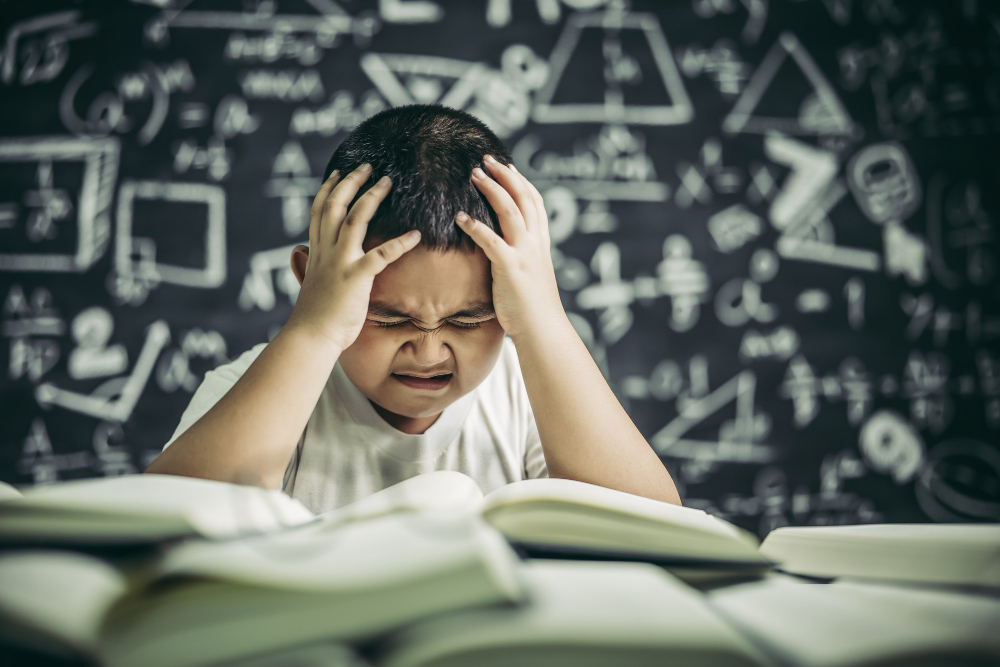
Many children face challenges in school. Sometimes, these struggles are more than just a bad day or a tough subject. In some cases, a psychological assessment for classroom struggles can help uncover deeper issues. Early understanding and support can make a big difference in a child’s life.
What Are Classroom Struggles?
Classroom struggles are ongoing problems a child faces at school. These can affect learning, behavior, or social skills. For example, a child may have trouble reading, paying attention, or getting along with classmates. While some struggles are normal, others may signal a bigger concern.
Common signs of learning difficulties and classroom struggles include:
Sometimes, these signs can be linked to stress or changes at home. However, if they last for weeks or months, it may be time to look deeper.
When to Consider a Psychological Assessment
Not every child who struggles in class needs a psychological assessment. Yet, certain signs suggest it could help. If you notice any of the following, consider seeking help:
In addition, if your child avoids school or complains of headaches or stomachaches often, it may be a sign of deeper stress. Early action can prevent bigger problems later.
The Psychological Assessment Process
A psychological assessment is a careful look at a child’s thinking, learning, and behavior. Usually, a trained psychologist or school counselor leads the process. Here’s what you can expect:
The whole process is private and aims to help, not label, the child. According to the CDC, early assessment can lead to better support and outcomes.
How Assessment Helps Students
A psychological assessment can open doors to the right support. For instance, it can:
With the right plan, many students make great progress. Early help can also prevent future problems.
Supporting a Child Through the Process
Support from adults makes a big difference. Here are some tips for parents and teachers:
Above all, patience and understanding help children feel safe and supported.
Prevention and Early Intervention
Early identification of classroom struggles is key. When parents and teachers notice signs early, they can act before problems grow. For example, regular check-ins and open talks with children help spot issues sooner. According to the World Health Organization, early support can improve learning and mental health.
Simple steps, like reading together or setting clear routines, also help prevent bigger struggles. Working as a team, families and schools can give every child the best chance to succeed.
Conclusion
Classroom struggles are common, but lasting problems may need a closer look. A psychological assessment for classroom struggles can uncover hidden issues and guide the right support. If you notice persistent classroom struggles, consult a qualified psychologist at Mind Metrics for personalized guidance.