
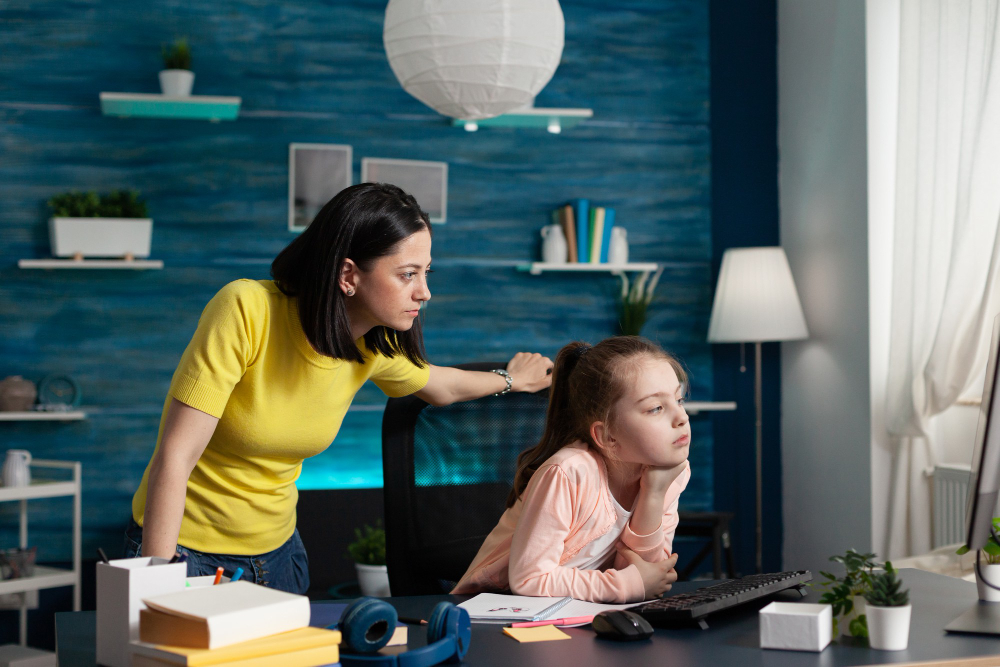
Many parents wonder if their child is simply not trying or if there is something more. Understanding the difference between laziness and a learning disability is important. Early action can help children succeed. In this blog, we will explain what a learning disability is, how to spot the signs, and when to seek help. Knowing the difference can make a big impact on your child’s future.
What is a Learning Disability?
A learning disability is a brain-based condition. It affects how a child understands, remembers, or uses information. Children with learning disabilities may struggle with reading, writing, math, or other skills. However, they are not lazy or less intelligent. According to the CDC, learning disabilities are common and affect millions of children worldwide.
Some common types of learning disabilities include:
With the right support, children with learning disabilities can do well in school and life.
Common Misconceptions: Laziness vs. Learning Disability
Many people think a child who avoids homework is just lazy. But, this is not always true. Sometimes, a child may seem unmotivated because learning feels very hard. For example, if a child has a learning disability, they may get frustrated and give up easily. On the other hand, true laziness is a choice, not a struggle.
Here are some key differences:
Understanding these differences helps parents respond in the right way.
Key Signs of a Learning Disability Parents Should Watch For
It is important to know the signs of a learning disability. Early signs can show up at home or in school. If you notice these signs, your child may need extra support.
These learning disability symptoms in children can be easy to miss. But, noticing them early can help your child get the right help.
When to Seek Professional Help
If you see several signs over time, it is wise to talk to a specialist. For example, a school counselor, psychologist, or pediatrician can assess your child. Early testing can show if your child has a learning disability or just needs extra support.
Here are some times to seek help:
Getting help early can make a big difference in your child’s confidence and success.
Support Strategies for Parents
Once you know your child’s needs, you can support them in many ways. For instance, you can work with teachers and use helpful tools at home.
With these strategies, your child can feel more confident and less stressed.
Prevention and Early Intervention Tips
“Early action can help prevent bigger problems later. Even before school starts, you can support your child’s learning.
Early intervention can help children with learning disabilities reach their full potential. The WHO stresses the value of early support.
If you notice these signs, consult a specialist at Mind Metrics for personalized guidance. Early help can change your child’s future for the better.”